
In recent times, massage guns have taken the wellness world by storm.
These handheld devices promise to deliver the benefits of massage therapy in the comfort of your home.
While they can’t replace the expertise of a skilled therapist, they certainly have their place as excellent self-care tools, offering benefits like improved circulation and muscle soreness reduction.
The key advantage lies in the user’s ability to feel and adjust the pressure and position when applying the massage gun to themselves.
However, a concerning trend has emerged within wellness businesses and among personal trainers – the use of massage guns on clients.
While it may seem like a convenient way to offer manual therapy, this practice can be problematic.
Here, we’ll explore why, in the hands of unqualified staff, massage guns can be a risky business.
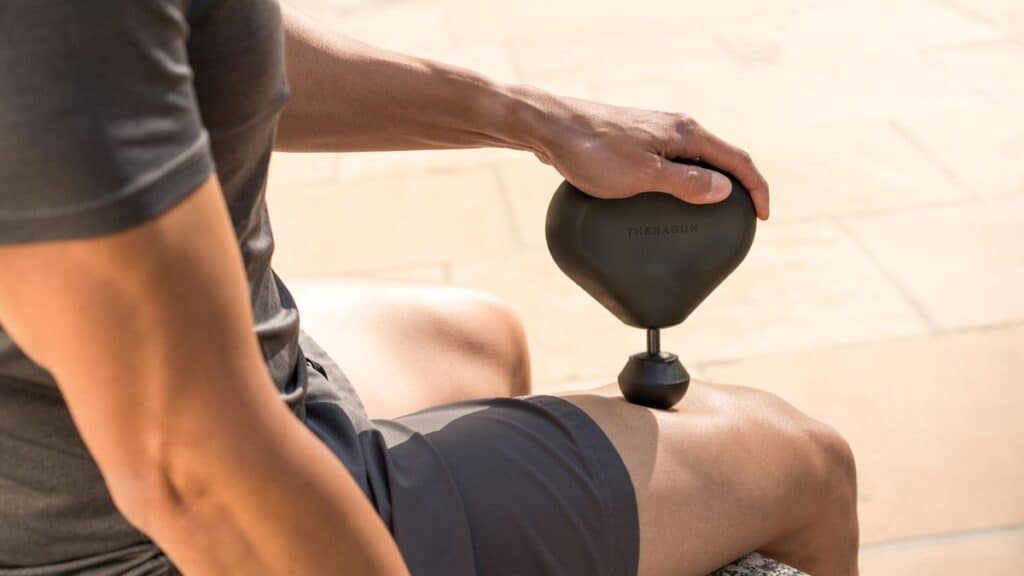
The Power of Self-Care with Massage Guns
Massage guns have rightfully gained popularity among individuals looking to enhance their self-care routines.
These devices can provide relief from muscle tension and soreness, promoting relaxation and improved well-being.
They are convenient, travel easily, and are relatively inexpensive when used regularly.
One of their unique advantages is the user’s direct control over pressure and position, ensuring a customized and comfortable experience.

The Pitfalls of Unqualified Manual Therapy
The trouble begins when massage guns are wielded by unqualified individuals, such as personal trainers or staff, in a fitness or wellness setting.
While their intentions may be well-meaning, these practitioners often lack the extensive training and expertise required for manual therapy.
You see, when massage guns are employed on clients by unqualified staff, a critical element is missing—expertise. These practitioners may not possess the in-depth knowledge of human anatomy, physiology, and the potential contraindications required for safe manual therapy.
Licensed practitioners such as massage therapists, certified athletic trainers and physical therapists undergo hundreds of hours of training and education. Pass certification and licensing tests is also required.
They understand that there are structures such as nerves or superficial blood vessels that can be damaged. They also know that there are conditions that can be exacerbated by manual therapy.
And most importantly, they are trained to recognize red flags. Signs of potentially more serious medical conditions and refer you to a physician.
The Problematic Lack of Feedback
A crucial distinction between professional manual therapy and self-administered massage gun use is the presence of feedback.
When you apply a massage gun to yourself, you can feel the sensations and adjust the pressure or position accordingly. You have an innate understanding of your body’s limits and comfort levels.
In contrast, when someone else uses a massage gun on you, there’s a significant absence of this feedback loop. The practitioner does not have the sensory input required to gauge the effectiveness, comfort, or safety of the therapy. This leads to several potential issues:
- Uninformed Targeting: Without proper training and feedback, practitioners may unknowingly target the wrong muscle groups or structures, potentially causing discomfort or harm.
- Excessive Pressure: The lack of client feedback means that practitioners may not realize when they are applying too much pressure, which can lead to muscle bruising or injury.
- Ineffective Treatment: Incompetent use of massage guns can result in treatments that are ineffective or even counterproductive.
Embracing a Safer Massage Gun Approach
To ensure a safe and effective wellness experience, it’s crucial to recognize the limitations of massage guns when used by unqualified personnel. Instead of relying solely on these devices, consider the following:
- Qualified Professionals: Seek out licensed massage therapists or healthcare professionals for manual therapy. Their expertise and ability to adapt to your specific needs make for a safer and more effective treatment.
- Personal Use: Continue to use massage guns as part of your self-care routine. Their benefits for self-administered therapy are undeniable, provided you follow best practices and listen to your body.
- Feedback and Communication: If you choose to receive manual therapy from a wellness business or personal trainer, maintain open communication with the practitioner. Provide feedback on pressure, discomfort, and areas of focus to ensure a safer and more tailored experience.
Guidelines for Massage Gun Self-Care
Avoid Using Massage Guns With:
- Sprain: In cases of muscle or ligament sprains, where the tissue has been stretched beyond its normal range due to a sudden movement, using a massage gun can exacerbate the injury. It’s important to allow sprains to heal properly before considering massage gun therapy.
- Strain: Muscle strains, resulting from overexertion or poor form, should also be allowed to heal before using a massage gun. The vigorous pounding action of the device can worsen strains.
- Inflammation: Inflammatory conditions like tendinitis, fasciitis, bursitis, and periostitis involve natural inflammation responses to injury. Using a massage gun on inflamed areas may aggravate the condition and hinder recovery. It’s best to consult a healthcare professional for guidance in such cases.
- Fractured Bones: It should be evident, but it’s worth emphasizing that massage guns should never be used on fractured (or suspected) or broken bones. This may apply for some time even if the bone is healing and been cleared for some exercise. Vibrations from the massage gun can pose a risk of further damage.
Safety Guidelines Self Use of Massage Guns:
- Moderation is Key: Extended massage sessions do not necessarily result in faster recovery. Limit your massage gun sessions to a maximum of three minutes for larger muscle groups like the quadriceps. Use a maximum of two minutes for smaller muscles, such as those around the neck. Aim to stimulate and relax the muscles without overdoing it.
- Blood Thinners: If you are taking blood thinners to prevent clotting, avoid using your massage gun on your legs. Opt for professional massages like Swedish-style massage at a nearby spa, as the device’s percussive action can pose risks when you’re on blood thinners.
- Sensitivity to Vibrations: If you are highly sensitive to loud, high-frequency vibrations that induce nausea, exercise caution when using your massage gun near your head. The strong percussion beat of a standard massage gun can displace inner ear fluid, potentially leading to discomfort.
- Sensory Deficits: Individuals with sensory deficits, particularly those with peripheral neuropathy (often associated with diabetes), should avoid using the massager on numb areas of their bodies. Without reliable sensory feedback, there’s a risk of unintentional self-harm.
By following these safety guidelines, you can make the most of your massage gun while ensuring your well-being. Prioritizing caution and responsibility when using this valuable self-care tool is essential for a safe and effective experience.
In conclusion, while massage guns can be fantastic self-care tools, their use in fitness and wellness settings by unqualified staff poses potential risks.
The absence of feedback during therapy can lead to uninformed targeting, excessive pressure, and ineffective treatment.
To prioritize your well-being, consider seeking out qualified professionals for manual therapy, or use massage guns as part of your self-care routine while staying attuned to your body’s signals.
Embrace change, take action, and make informed choices for your health and safety. Your body will thank you for it.