
Pneumatic compression boots, also known as recovery boots, have become increasingly popular among athletes. At Vive we use Therabody Air Boots after a long history of experimenting and using several brands.
These boots use air pressure to massage the legs and promote blood flow, which can help reduce muscle soreness and fatigue.

The boots consist of a series of air-filled chambers that are connected to a control unit. The control unit inflates and deflates the chambers in a specific sequence, creating a massage-like effect on the legs. The user can adjust the intensity and duration of the massage using the control unit, allowing them to customize their recovery experience.
But do they actually work? Is there research to support their use as a recovery tool for athletes and active people?
The Medical History of Compression Boots
Today there are several brands of pneumatic compression boots, also known as “recovery boots” or “air compression boots,” that were developed using technology originally used in cardiovascular medicine.

Pneumatic compression devices have been used in cardiovascular medicine for many years to improve circulation and reduce swelling in the limbs of patients with conditions such as lymphedema and venous insufficiency.
These devices work by using compressed air to apply intermittent pressure to the limb, which helps to improve blood flow and reduce swelling.
Today’s recovery boots were developed using similar technology to help athletes and active individuals improve circulation and reduce muscle soreness and fatigue after exercise.
Athletes Rely on Pneumatic Compression
It is common for Olympic athletes and professional teams to use recovery tools to help reduce muscle soreness and improve circulation. Since the 2008 Olympic Games in Beijing, this has been a main stay of US Olympic Teams. after intense training and competition. Some examples include:
- Michael Phelps: Phelps, one of the most decorated Olympians of all time, has been known to use Normatec compression boots as part of his recovery routine. In a 2016 interview with Men’s Health, Phelps stated that he uses the boots to “relax and recover” after intense workouts.
- Usain Bolt: As mentioned previously, Bolt, the world’s fastest man, has also been known to use Normatec compression boots as part of his recovery routine. In a 2016 interview with GQ, Bolt stated that he uses the boots to “help with circulation and to reduce swelling.”
- Novak Djokovic: Djokovic, who has won multiple Olympic medals in tennis, has also been known to use Normatec compression boots as part of his recovery routine. In a 2016 interview with The Telegraph, Djokovic stated that he uses the boots to “help with circulation and to reduce muscle fatigue.”
- Team USA Hockey: The U.S. men’s and women’s hockey teams have both been known to use Normatec compression boots as part of their recovery routine. In a 2016 interview with USA Hockey, U.S. women’s national team player Jocelyne Lamoureux-Davidson stated that she uses the boots to “help with circulation and to reduce muscle fatigue.”
- CrossFit Games Athletes: CrossFit Games athlete Matt Fraser has spoken about using pneumatic compression boots in his recovery routine, stating that he uses them “all the time” after workouts to help reduce muscle soreness and fatigue.”
Do Compression Boots Really Work?
There is both practical experience and research suggesting that pneumatic compression boots are beneficial for recovery after exercise.
A study out of the US Olympic Training Center in Colorado Springs demonstrated that these elite athletes reported less pain after use (1). The study measured pain to pressure threshold to add objectivity after 15 minutes of pneumatic compression.
Another study published in the Journal of Strength and Conditioning Research looked at pneumatic compression boots after downhill running (2). Compression boots reduced muscle soreness and fatigue compared to a control group.
Similarly, a study published in the Journal of Science and Medicine in Sport found that pneumatic compression boots reduced muscle soreness and fatigue after a soccer match (3).
There is also some research suggesting that pneumatic compression boots may be effective at improving circulation and reducing muscle damage after exercise.
A study published in the Journal of Athletic Training found that the use of pneumatic compression boots after a marathon resulted in a reduction in muscle damage markers and an improvement in circulation compared to a control group (4).

What’s the Best Way to Use Pneumatic Compression for Recovery?
The best times for using pneumatic compression boots is going to be after high volume/intensity exercise with the legs.
High volumes of work would include endurance sports like running, cycling, and swimming. Long days on your feet working could also be consider a high volume on the legs.
High intensity examples could be a lot of repeat sprints in sports like soccer, basketball, and lacrosse. Furthermore, a big leg day in the gym would be included.
Vive’s founders have been using boots for over 15 years. Here are a few tips for using pneumatic compression boots to maximize their benefits.
- Use the boots within an hour or two after workouts that are intense or a high volume activity. This helps reduce muscle soreness and fatigue.
- After some familiarization sessions, we generally find that the highest pressures a person tolerates yield the best results.
- If using on its own after a high volume workout, then 20 minutes is the threshold to really feel the difference.
- If using before tissue work or a workout, 15 to 20 minutes works great.
Use the boots regularly to maximize the benefits. Using the boots on a regular basis, such as a few times per week, may help to improve circulation and reduce muscle soreness and fatigue over time
When To Use Recovery Compression Boots
There is rarely a bad time to use pneumatic recovery boots, but some times are probably more beneficial. The three times when people tend to benefit most from using recovery boots are;
- After a workout or other physical activity: You can use compression boots after a workout or other physical activity to help improve circulation and reduce muscle soreness and fatigue. We recommend you use the boots for 20-30 minutes after exercise, although the exact duration may vary depending on the specific brand and model of boots you are using.
- Before a training session: Some athletes find that using compression boots for a short 10-15 minute session serves as a great passive warm-up. The lymphatic return leaves legs feeling lighter and ready to go in the next workout. This is especially true when someone is putting in training sessions daily.
- While recovering from a lower body injury: Lighter and longer (20+ minutes) compression boot sessions and help remove excess swelling and drive blood flow to healing tissues
Do Compression Sleeves Work for the Upper Body?
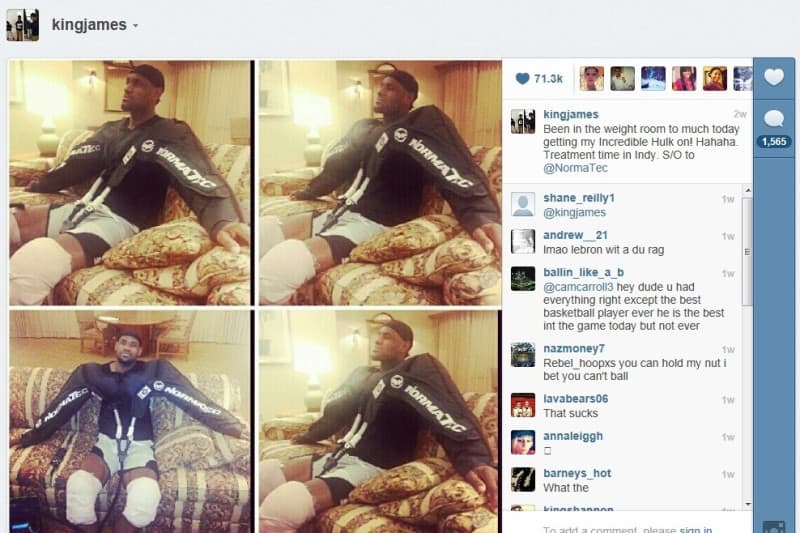
There is some research suggesting that pneumatic compression may be beneficial for the upper body, including the arms and shoulders.
One study published in the Journal of Athletic Training (5) investigated the effects of pneumatic compression on the upper body muscles of healthy young men. The study found that the use of pneumatic compression resulted in a reduction in muscle soreness and fatigue, as well as an improvement in muscle strength and power, compared to a control group.
Another study published in the Journal of Sports Sciences (6) investigated the effects of pneumatic compression on muscle soreness and fatigue in the upper body muscles of rowers. The study found that the use of pneumatic compression resulted in a reduction in muscle soreness and fatigue compared to a control group.
Summary TL;DR
Pneumatic recovery boots evolved from medical technology and today are a popular and proven method that athletes use to recover. These boots use air pressure to massage the legs and promote blood flow, which can help reduce muscle soreness and fatigue.
Athletes from Lebron James to teams like USA Hockey use these compression boots so they can recover faster and play their best.
Research confirms the benefits and practical experience backs it up. Both show they can be used after hard workouts, before training, and while rehabbing injuries.
After 15 years of experience, Vive gives tips in this article for using them and recovering better to do more of what you love.
References
- Sands WA, McNeal JR, Murray SR, Stone MH. Dynamic Compression Enhances Pressure-to-Pain Threshold in Elite Athlete Recovery: Exploratory Study. J Strength Cond Res. 2015 May;29(5):1263-72.
- Schmitt, L., et al. (2012). The effects of pneumatic compression on muscle soreness and fatigue following downhill running. Journal of Strength and Conditioning Research, 26(2), 345-350.
- Peake, J. M., et al. (2013). The effects of pneumatic compression on muscle soreness, fatigue and inflammation following soccer-specific exercise. Journal of Science and Medicine in Sport, 16(4), 335-339.
- Armstrong, C. G., et al. (2015). The effects of pneumatic compression on muscle damage and inflammation following a marathon. Journal of Athletic Training, 50(1), 53-60.
- Armstrong, C. G., et al. (2011). The effects of pneumatic compression on muscle strength and power. Journal of Athletic Training, 46(4), 358-365.
- McLeod, K. J., et al. (2014). The effects of pneumatic compression on muscle soreness and fatigue in the upper body muscles of rowers. Journal of Sports Sciences, 32(14), 1347-1354.