

Hamstring injuries are one of the most common and stubborn challenges athletes face—especially in field and court sports. A single sprint, stretch, or deceleration can lead to a tear that sidelines you for weeks.
But whats even worse, many athletes reinjure the same area soon after returning to play.
The truth is, most setbacks during hamstring rehab aren’t just bad luck. They come from avoidable mistakes—mistakes rooted in outdated rehab approaches or skipping key steps in the recovery process.
If you’re recovering from a hamstring strain or supporting someone who is, here are the four most common rehab mistakes we see—and how to avoid them.
1. Rushing Back to Sprinting Without a Plan
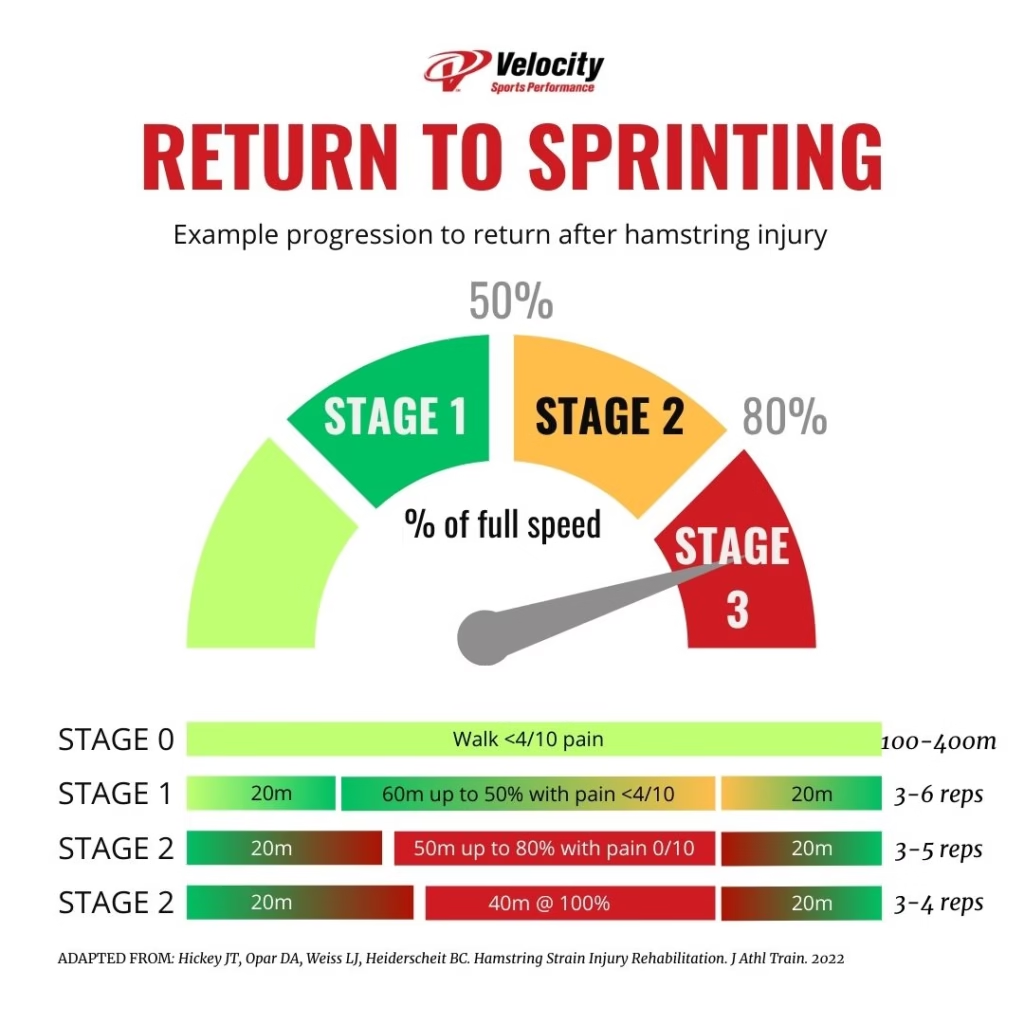
What goes wrong: You’re pain-free, you feel good jogging, and you think it’s time to sprint again. But without a structured progression, those first 90% sprint attempt is where many athletes set themselves back.
Most hamstring strains occur during high-speed running, especially in the terminal swing phase—when the leg is fully extended and the hamstrings are working eccentrically to slow the limb.
That’s why sudden exposure to speed—without graded reloading—is so risky.
What to do instead:
- Build up gradually. Start with jog-walk intervals, then progress to 50%, 80%, and eventually 100% sprint efforts over time.
- Use technical sprint drills to restore rhythm and posture. These include straight-leg skips, step-over runs (dribbles), fast leg drills, and straight-leg bounds.
- Follow clear criteria before progressing. You should be able to run at 80–90% of your max speed pain-free, demonstrate symmetry in strength, and show clean sprint mechanics.
2. Skipping Eccentric Strength Work
What goes wrong: Many rehab programs prioritize stretching, massage, or general glute strengthening. Eccentric hamstring work—the kind that actually prepares the tissue for high-speed load—is either delayed too long or skipped entirely out of fear it might cause pain.
But skipping eccentric strength is one of the major mistakes in hamstring rehab. It’s exactly what protects your hamstring from reinjury.
Why it matters: Research shows that eccentric loading (especially at long muscle lengths) can:
- Increase fascicle length in the biceps femoris, the most commonly injured hamstring muscle
- Improve strength in positions where injuries typically occur
- Lower the risk of reinjury when added to training or rehab programs
What to do instead:
- Start low-load eccentrics early—like bilateral sliders or isometric bridge holds.
- Progress gradually to Nordic hamstring curls, Romanian deadlifts, and hip extension work with greater knee flexion angles.
- Keep eccentric strength as a long-term training priority—even after return to sport.
3. Treating It Like a Time-Based Injury
What goes wrong: You’re told: “It’s just a Grade 1 strain—3 weeks and you’ll be good.” Then, three weeks later, you’re cleared because enough time has passed, not because your hamstring is ready.
This time-based approach is one of the biggest risk factors for reinjury.
Why it matters: Healing time doesn’t equal performance readiness. Athletes often feel better well before their hamstring has regained the capacity for sprinting, deceleration, and fatigue.
What to do instead: Use a criteria-based progression, where you move forward only when:
- Strength is within 10% of the uninjured side (ideally via isometric or eccentric tests)
- You can tolerate sprinting drills and running at progressively higher speeds
- Your sprint mechanics look and feel confident
- Sport-specific actions (like cutting, jumping, or kicking) are pain-free and controlled
Every phase of rehab should include goals and clear benchmarks to hit—not just calendar weeks.
4. Ignoring Sprint Mechanics and Pelvic Control
What goes wrong: You focus on the hamstring itself—strength, stretching, tissue healing—but overlook how you run.
But sprinting is a skill, and when mechanics break down—especially under fatigue or after injury—compensations can overload the hamstrings again.
Why it matters: Studies have shown that excessive anterior pelvic tilt and poor lumbopelvic control are associated with a higher risk of hamstring injury during sprinting. This posture increases the effective length and tension on the hamstring, especially during the late swing phase. Athletes who lack pelvic control often over-rely on the hamstrings to manage leg swing and deceleration.
What to do instead:
- Integrate drills that reinforce proper pelvic positioning—like A-skips, fast leg drills, and resisted sprint marches.
- Use cues like “ribs down,” “hips tall,” and “drive from the glutes” to control pelvic tilt during movement.
- Add lumbopelvic stability work (e.g., deadbugs, split stance lifts, Copenhagen planks) to improve trunk control in dynamic movement.
This is your opportunity to clean up running form and reduce future risk—don’t miss it.
Final Thoughts: You Can Avoid These Mistake In Hamstring Rehab
Over the decades in sport, we have seen these common mistakes in hamstring rehab. However, you don’t need to make them.
Hamstring rehab isn’t about chasing the clock—it’s about earning the right to sprint, compete, and stay healthy. The four mistakes above are common, but avoidable, especially when you approach your recovery with a performance mindset.
✅ Progress your sprinting gradually
✅ Train your eccentric strength deliberately
✅ Follow criteria—not timelines
✅ Rebuild control from the trunk down to the toe
Whether you’re returning to weekend sports or elite competition, smart rehab helps you come back better—not just back.