
If you’re looking to train harder, or just want to feel better, then your muscle recovery might be an area for improvement.
What does “muscle recovery” mean?
It’s a term often thrown around by athletes and coaches, but not well defined. Generally, people are referring to 3 of the Four Pillars of Recovery;
- Soft tissue structures (muscles and tendons)
- Energy Systems (replenishing cellular energy stores)
- Nervous system (regaining ability for intense and fast muscle contraction)

How much your body develops and your performance improves depends on how well your muscles can recover.
The faster you recover, the sooner you can begin the next training session.
The faster your muscle recover, the sooner you can enjoy your fitness and feel better.
Training Is Designed To Fatigue Your Muscles
The important thing to understand is that you are systematically tiring your body during training.
Your muscles and tendons are being strained. Energy reserves are being depleted. Your nervous system is fatigued from rapid firing and coordination.
This causes a decrease in performance in the short term.
However, over hours and days, your body naturally works to restore your level of performance. That’s recovery.
If your do this consistently over weeks, months, and years your body adapts to new levels of performance and fitness.
“Given the time and resources, your body uses the recovery phase to improve it’s capabilities and resilience. It naturally adapts so you can do more.
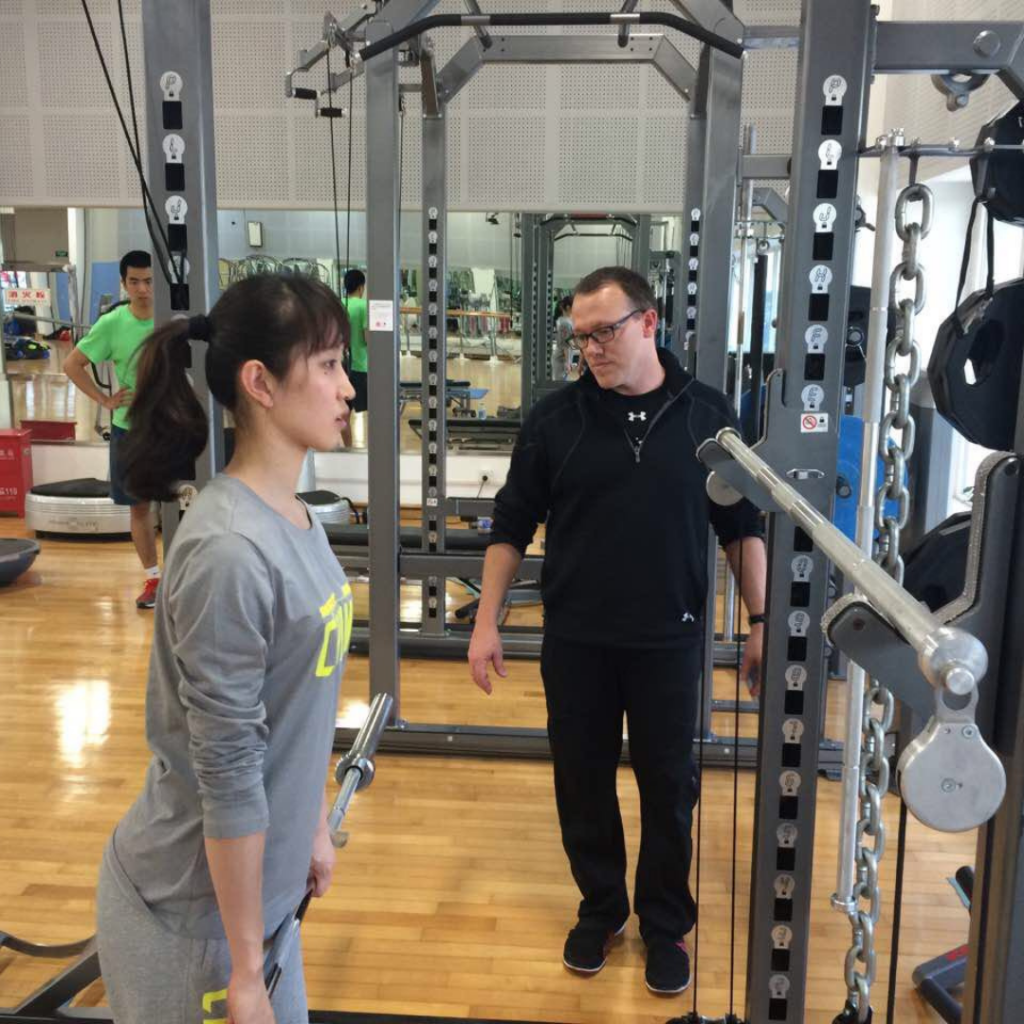
But if you consistently add training and stress without enough recovery, you will see your fitness drop and the risk of injury or overtraining increase emphasizes human performance expert, Ken Vick.
Vick has seen this time and again working with elite athletes around the globe in over 30 Olympic sports.
“Recovery is critical for athletes to recover. But its also important for any active individual. If you are training for any recreational sports or just improved wellness, you have to pay attention to recovery.”
After all, adaptation comes from the combination of both training and recovery.
So here are 5 ways you can speed up muscle recovery
1. Drink Fluids and Hydrate
You’ve no doubt been told about the importance of hydration. It is confirmed by science as well.
Getting dehydrated is associated with muscle fatigue, reduced performance, and other complications.
Unfortunately, many people focus on drinking water before their workout and forget to do it afterward as well. Others have a bad habit of only drinking water when they feel thirsty, which is not recommended.
Muscle performance, in particular, largely depends on a steady supply of fluids. But avoid alcohol.
Depending on the intensity of your workout, your body requires 500 -700 ml per hour. Thus, it is important to replace these right away.

2. Get a Good Night’s Sleep
It’s no secret that getting good sleep is the key to both mental and physical health. But do you realize that sleep affects your muscle recovery? Furthermore, it can reduce your overall athletic performance.
The physical stimulus from training is processed while our body sleeps. Tissue damage is repaired, hormones are replenished, and muscles are developed.
Research has demonstrated that sleep interventions can play an important part in an athletes’ performance and recovery.
Your body’s reaction to lack of sleep includes slower recovery overall, reduced metabolism, irritability, and a weakened of the immune system.
So, getting seven to eight hours of quality shut-eye each night is important if you want to be at your best. (Check out a checklist to get better sleep here)
3. Contrast Shower
Muscle recovery often includes helping the nervous system recover. If your training or activity was intense, the nervous system is going to be fatigued.
“Nervous system recovery is often overlooked,” says Vick. “People realize when they are stiff and sore, but might not realize they be missing that explosiveness and spring in their step. That’s CNS (central nervous system) fatigue. And it can take 2-3 days to fully recover.”
One strategy for CNS recovery used by athletes is a contrast bath or shower.
After your workout, you need a shower anyway. Use this to do something good for your muscles.
- Use a water temperature as hot as you can stand. Don’t burn yourself. The water should feel hot, not just warm.
- Go for 2-3 minutes, and focus on the head and back of your neck.
- Then, make the temperature as cold as you can stand for 60 seconds.
- Alternate back and forth 3-5 times and finish on cold water.
When you first do this it can take your breath away as you tense up. Focus and breath through it.
The greater the contrast between the hot and cold temperatures, the better – and it will likely get better with time.
That shock of cold water excites your nervous system. Which can be great for recovery and blood flow.
But not so great if you’re trying to go to sleep. Therefore, if you’re going to do this and then go to bed, finish on plain old warm water.
4. Relaxation Training
There is a direct link between the body and the mind. Our thoughts influence our body’s physiology.
This relationship can be used to help your muscle recovery. Whether its meditation, breath work, yoga, or progressive muscle relaxation, you can trigger physical recovery with your mind.
Test out different methods to find which helps you recover fastest.
5. Plan Your Training and Rest Days
Recovery takes time. Muscle recovery time depends on the duration and intensity of your activity.
Remember, that CNS fatigue can take 2-3 days to recover, whereas energy system recovery can occur in 6 to 24 hours.
When it comes to rest days, the general rule is to allow 48 hours between high intensity workouts if you can.
This is not a absolute rule.
“Elite athletes train on back-to-back days and even more than once a day. However, we plan that there are easier and harder workouts. We also carefully plan the amount of recovery between those harder, high intensity sessions,” shares Vick.
And don’t think recovery days have to mean complete rest.
We can also positively influence the recovery process. Active recovery uses a variety of methods to trigger and support the body. The result is that your muscle can recover faster.
Depending on your age and skill level, you might require more or less time to recover. If you find yourself taking longer pauses, try to squeeze in a couple of active recovery days each week.

Speed Up Your Muscle Recovery
Improving your fitness, performance, or wellness requires the stress of training. Its that stress of working that stimulates your body to adapt.
That adaptation happens through the recovery phase.
You can use the methods outlined here to help speed up that muscle recovery and enjoy fruits of your labor.