Introduction
Quality sleep is essential for optimal recovery, performance, and overall well-being. Various supplements can aid in achieving better sleep, each working through different mechanisms.
Here are the benefits, mechanisms, and usage of melatonin, magnesium, chamomile (or apigenin), valerian root, and the importance of avoiding caffeine.
Melatonin
Mechanism: Melatonin is a hormone naturally produced by the pineal gland in response to darkness. It regulates the sleep-wake cycle by signaling to the body that it’s time to sleep.
Usage: Typically, melatonin supplements are taken 30-60 minutes before bedtime. Doses range from 0.5 to 3 mg, depending on individual needs and response.
Supporting Research:
- Meta-analysis on melatonin for sleep disorders:
- A 2013 meta-analysis published in PLOS ONE reviewed 19 studies and found that melatonin significantly reduced sleep onset latency, increased total sleep time, and improved sleep quality in individuals with sleep disorders .
- Melatonin efficacy and safety:
- A 2021 systematic review in the Journal of Pineal Research reported that high dose melatonin is has a favorable safety profile .
Magnesium
Mechanism: Magnesium plays a crucial role in the body’s stress response and muscle relaxation. It also helps regulate neurotransmitters that are involved in sleep, such as GABA (gamma-aminobutyric acid).
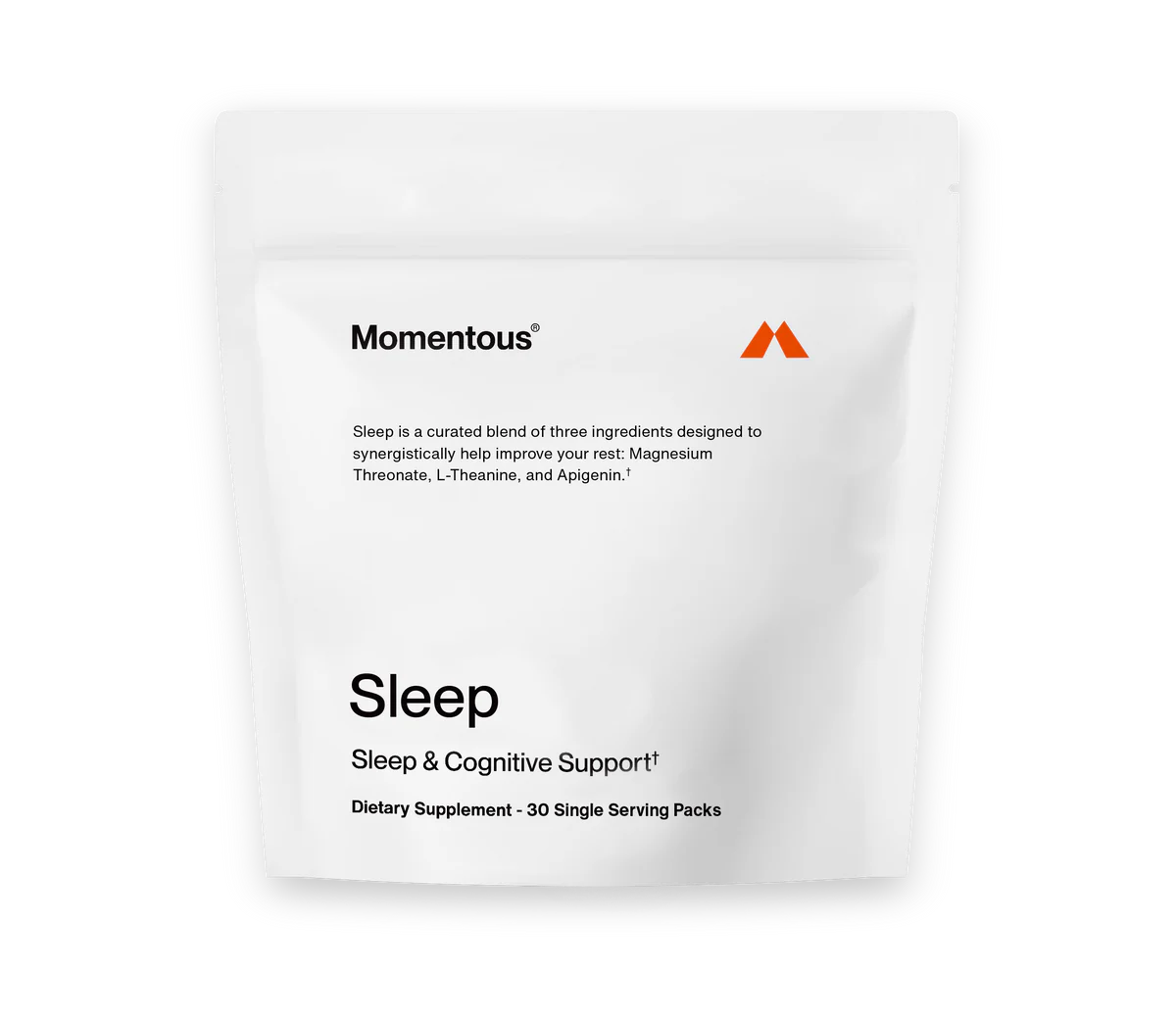
Usage: Magnesium supplements are best taken in the evening, about 1-2 hours before bed. Common forms include magnesium threonate or magnesium glycinate, with doses ranging from 200 to 400 mg.
Supporting Research:
- Magnesium and insomnia in people:
- Research published in 2012 in the Journal of Research in Medical Sciences showed that magnesium supplementation improved insomnia symptoms, sleep efficiency, and sleep time in older subjects.
- Systematic review on magnesium and sleep:
- A 2023 literature review that low magnesium levels were associated with lower sleep quality. The evidence on supplementation improving sleep quality was mixed with some positive and some equivocal, in part because so many different forms of magnesium and research approach made it hard to compare.
Chamomile (Apigenin)
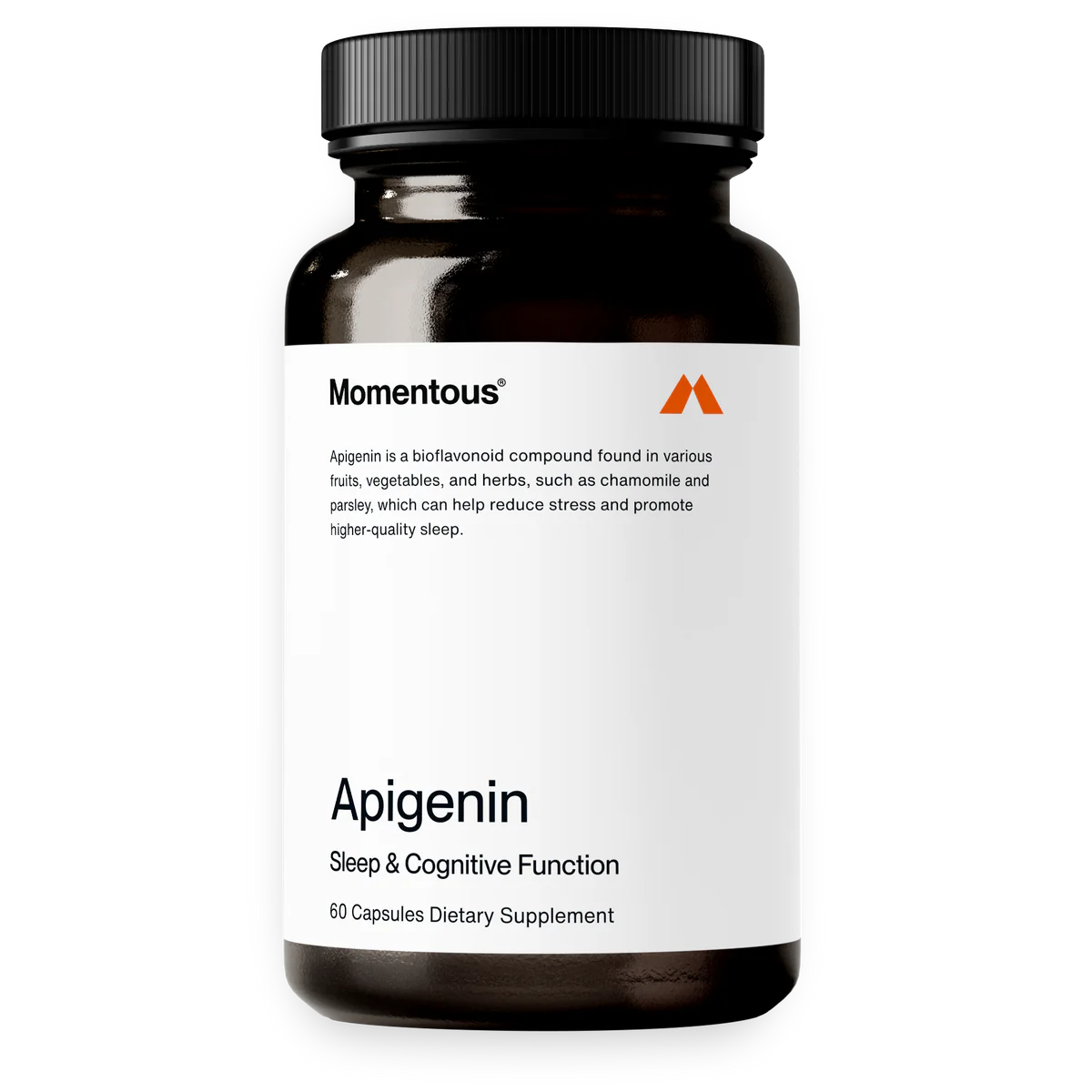
Mechanism: Chamomile contains apigenin, an antioxidant that binds to specific receptors in the brain, promoting relaxation and initiating sleep.
Usage: Chamomile can be consumed as a tea, with 1-2 cups taken 30-60 minutes before bed. Chamomile extract and Apigenin supplements are also available, typically taken in doses of 200-400 mg.
Supporting Research:
- Chamomile extract for sleep quality:
- A 2019 randomized placebo-controlled pilot study found that chamomile extract significantly improved sleep quality in individuals with chronic insomnia without adverse affects.
- Apigenin and sleep:
- new research published in Frontiers of Nutrition in 2024 highlighted the positive effects of apigenin in human and animal models, demonstrating its potential for improving sleep and slowing aging. .
Valerian Root
Mechanism: Valerian root increases levels of GABA in the brain, promoting relaxation and reducing the time it takes to fall asleep.
Usage: Valerian root supplements are usually taken in doses of 300-600 mg, about 30 minutes to 2 hours before bedtime.
Supporting Research:
- Meta-analysis on valerian for sleep:
- A 2006 meta-analysis in American Journal of Medicine analyzed 16 studies and over 1000 patients and found that valerian root improved sleep quality without causing significant side effects .
- Valerian efficacy in sleep disorders:
- A 2011 literature review concluded that valerian for treating insomnia and was well tolerated, but more rigorous studies were needed on its anti-anxiety properties.
Avoiding Caffeine
Mechanism: Caffeine is a stimulant that blocks the effects of adenosine, a brain chemical that promotes sleep. It can stay in your system for up to 8 hours, disrupting your sleep cycle.
Usage: To avoid its negative impact on sleep, refrain from consuming caffeine at least 6-8 hours before bedtime.
Supporting Research:
- Caffeine effects on sleep:
- A 2013 study in the Journal of Clinical Sleep Medicine showed that consuming caffeine even as far as 6 hours before bedtime significantly reduced sleep quality and total sleep time.
- Review on caffeine and sleep disturbances:
- A 2023 review in Sleep Medicine Reviews summarized evidence indicating that caffeine consumption, especially in the afternoon or evening, is associated with increased sleep latency, reduced sleep efficiency, and poorer sleep quality.
Don’t Rely Only on Supplements for Sleep
While supplements can be a safe and effective strategy for improving sleep quantity and quality, they should complement, not replace, essential lifestyle interventions.
To achieve optimal sleep, it’s crucial to adopt healthy sleep habits, including maintaining a consistent sleep schedule, creating a restful sleep environment, and engaging in regular physical activity.
Reducing exposure to screens and bright lights before bedtime helps signal to your body that it’s time to wind down.
Limiting heavy meals and alcohol intake close to bedtime can also prevent disruptions.
Additionally, managing stress through techniques such as meditation, deep breathing, and yoga can significantly enhance sleep quality.
By integrating these lifestyle factors with targeted supplements, you can create a comprehensive approach to achieving restorative and rejuvenating sleep.
Using Supplements for Sleep
Incorporating supplements for sleep into your nightly routine may be a strategy to enhance sleep quality and overall recovery. They should be part of a broader strategy that include your lifestyle and sleep environment for the most impact.
Always consult with a healthcare professional before starting any new supplement regimen, especially if you have underlying health conditions or are taking other medications.
TL;DR
- Melatonin: Regulates sleep-wake cycle; take 30-60 min before bed, 0.5-3 mg.
- Magnesium: Relaxes muscles, regulates sleep-related neurotransmitters; take 1-2 hours before bed, 200-400 mg.
- Chamomile (Apigenin): Promotes relaxation; drink as tea or take extract 30-60 min before bed, 200-400 mg.
- Valerian Root: Increases GABA, promotes relaxation; take 30 min-2 hours before bed, 300-600 mg.
- Avoid Caffeine: Stimulant that disrupts sleep; avoid 6-8 hours before bed.